screenshot

Are we all excited?

Tomorrow, November 1, is the first day of NaNoWriMo, or National Novel Writing Month. You know, the month where writers around the world sign up with glee, intending to pump out 50,000 words in 30 short days.

For those who are math-challenged, that is 1,667 words per day.

For those writers who are challenged by something more than math (laziness, procrastination, fear and loathing), November 1st is a day of trepidation.

I’ve participated nearly every year since 2005. I’ll admit, some years I take a break due to family issues or maybe edits of other writing. I’m not exactly an expert on November writing, but I can offer some words of advice. Take them or leave them, because admittedly, I am a writer without a clue.

  1. It’s nice to have a plan, but you don’t need one. I’ve utilized two NaNoWriMos to write Virtually Yours and Virtually Yours Forever. Talk about success in NaNo, but there was a reason. One was a love story in 30 days; the other was a wedding in 30 days. These two novels were planned long in advance; I knew the characters, the story lines, the subplots, the Big Reveals, and since the stories progressed linearly, as in day by day, it was fairly easy to make the mark of 1,667 words per day. But again, I say, YOU DON’T NEED A PLAN! Just WRITE! Here are a few ways you can accomplish that.
  2. Write random scenes. You don’t have to start at Page One, Chapter One. Instead, imagine yourself in your characters’ world and write out a scene. I can guarantee you that a scene is usually more than 1,667 words. You might not use the scenes you write, but it’s better to have more words than less, especially during the first draft stage.
  3. Write random dialogue between your characters. I often do this as practice. Writing dialogue has always been problematic for me. Even though I’m much improved, I still shy away from doing it. It’s always been easier for me to internalize what the characters are saying instead of actually saying what they are saying. Don’t use tags, in order to make the most of your time. You can always add the attributes later. If you want to note the way the characters are reacting (sadness, anger, lust, etc.), I’d definitely add notes.
  4. Write about your characters. Tell yourself in words what he/she looks like, what they like and dislike, what kind of clothes they wear, if they have an accent, what their quirks are. Outline their family history. Expound upon where they live – the house, the city, the state. This may seem like a deviation from actually telling the story, but is helpful in developing your characters as real people. It also adds to your word count.
  5. It’s nice to have a designated time or place, but not necessary. In past years, I’ve said to myself “3 to 5 p.m., in my comfy chair,” but let’s face it, life is too full of drama sometimes.
  6. Likewise, don’t limit yourself to the computer. Carry a notebook and pen at all times! If you forget or don’t like to write passages in longhand, be smart and open up your smart phone. There’s an app called “Notes” – use it! When you get a chance, you can transcribe your writing into your word processing program and add to your word count.
  7. Remember, this is not a race! It’s not a race against others, it’s not even a race against yourself. NaNoWriMo is meant to encourage good writing habits, meaning writing something every day.
  8. Don’t beat yourself up if you haven’t completed a novel by November 30. As stated in Number 7, the intent of NaNoWriMo is not to complete a novel.

Now, my fellow writers, get a good night’s sleep tonight and go get ’em!

See you at the end of November.
 

Posted in books, editing, indie publishing, Joanne Huspek, music, violin, writing, women, life, NaNoWriMo, reading, rewriting, Self publishing, VIRTUALLY YOURS, VIRTUALLY YOURS FOREVER, womens literature, writers conference, writing | Tagged , , , , , , , Comment

I am armpit deep into a major developmental edit, trying to accomplish most of it before NaNoWriMo, so I really don’t have much time to spew about my life or to wonder about whether or not I’m editing correctly. (I’ve thrown in the Paperclip Method, as well as index cards and handwritten notes, and all I have to show for it is a major headache.) So, instead, I will entertain you with a piece of creative writing, an assignment from the 21 Moments class I took last year.

muralfarright2

The Fish

When you were a baby, I watched you sleep. I had to make absolutely certain you were still alive, still breathing. For hours, I saw your chest rise and fall, your lips slightly parted, two perfect soft hearts lined in violet red. Your eyes twitched with baby dreams. I wondered, what could you possibly be dreaming of, my little boy who had yet to experience life.

I marveled at your skin, so pale and covered in a paler, soft fuzz. A furry caterpillar across your brow, one that rarely moved. The dark hair, so long on one side. Toes and nails of perfect pearl. You were a porcelain doll, a breathing miniature human.

Now I watch you sleep, my heart heavy with concern. Your breathing is labored, not steady. Your skin is stained red, not a healthy rose, but a dull, almost brick color. I couldn’t wake you after a day and a half. Panic filled my chest, one already bursting with worry.

Life is tenuous. It takes very little to tip the scales.

I considered calling the hospital. I won’t bother 911, they’ve already received enough calls from this address. The doctors might say something encouraging, something that will tamp down the alarm.

Your breathing seems suspended, but you’re not holding your breath. It’s shallow, that’s all. I touch your hand; it’s burning. You said you didn’t feel well. Is it sickness, a bug, or something more substantial? I bring soup, but you won’t awaken. I finger my phone, the numbers are typed in, but I don’t hit SEND. Instead, I pray my boy will wake up and talk to me. I hope he will take a sip of the chicken noodle. I pray to God he will give my son a baby dream, so he will dream like he did when he was two months old.

Posted in editing, Joanne Huspek, Monday Blogs, NaNoWriMo, rewriting, Self publishing, womens literature, writing | Tagged , , , , , Comment

I am the one person on earth who would never consider myself to be highly intelligent. If I were, I’d probably be a billionaire by now, but we know that’s not happening, so… yeah.

I’m smarter than most, but not smarter than the average bear. This also may be age-related, but I also find it increasingly more and more difficult to see things in their true light. Too many years fogged by repetitious activities. Bad habits are really hard to correct.

Why the morose musings?

Last week, I finally received the complete edit to Virtually Yours Forever. With editorial notes at the end. Finally.

I wish I’d received those editorial notes, oh, say about four months ago, before I deluded myself into thinking this work was ready for prime time.

Oh, well, that’s why I employ my Editor for Life. He’s supposed to slap me around once in a while. (Thank goodness he’s in California, and I’m in Michigan.)

So the bad news is that I have some serious developmental editing to complete.

The good news is that the light bulb finally went off above my head. (This is always good news.) After reading the editorial notes, I went over my outline. Ugh. He was right. Fatal flaws all over the place. It’s all very daunting, but nothing that can’t be fixed with a little hard work and elbow grease.

Unfortunately, this past week, I’ve been engaged in a place sans computer or internet. However, I always carry my trusty notebook with me. And a hard copy print out of the MS.

Part of my problem with this novel was the timing was off. As with Virtually Yours, VY4ever takes place in a 30 day time frame. When writing so linearly, it’s best to make use of a calendar.

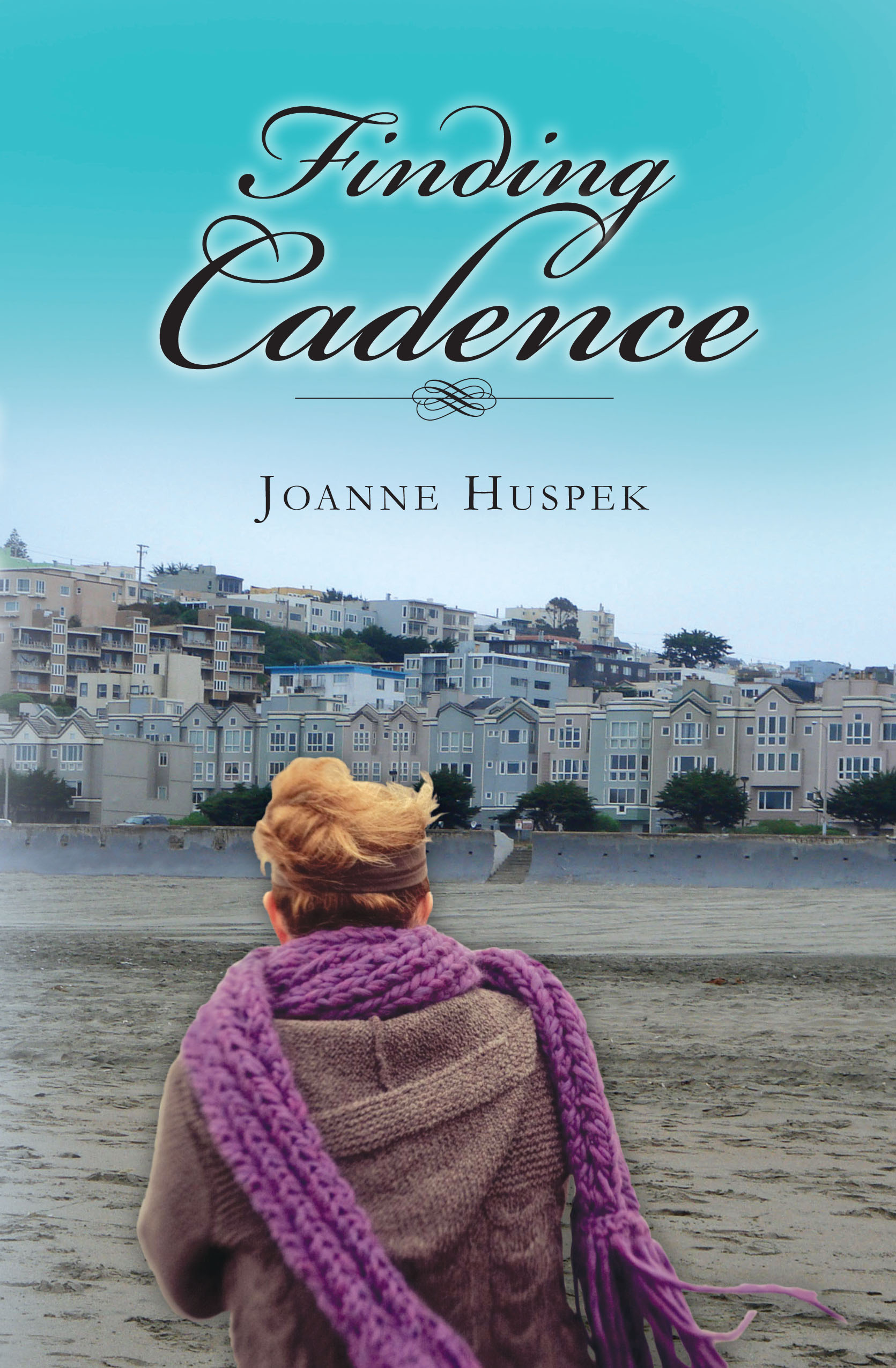
editsI also employed this method writing Finding Cadence. One can get very lost in a seven-month story.

Doing this allowed me to see where my holes were. I need tighten up the time frame. I’ll keep the same words, just put them closer together, and delete anything that isn’t advancing the story. (There’s a lot of that going on as well.)

The other problem is that some of my moms aren’t carrying their weight. (This is my fault, obviously.) Three of them are shining, the other three – meh. I experienced this problem in writing the first book as well. I *know* my stronger characters very well; it’s the ancillary ones that are difficult, probably because they are so not me. These characters either need some sort of drama to muddle through (oh, how I remember doing this for the first book!) or what I already gave them as problems to be fleshed out a little more. Either way, I have to step outside of myself and give them the attention they deserve.

Smaller problems included changing the age of one of the kids; speeding up and researching snowfall patterns; I’ll also change the names of the celebrities I mentioned who are way-out-there characters in the story line. One, the Real Donald Trump is running for president, and I can’t put him into my book now. Not using that name, anyway. I’ll still need his persona, his helicopter and private jet, and his high rise building, but he’ll be fictional now.

So yes, I have my entire month planned for this edit. I’m still on track (I hope!) to a winter release.


And for some more good news?

I’ve come out with a print version of Virtually Yours, for those of you who are digitally challenged. You can purchase a copy on Amazon, or if you can wait until I receive my shipment, and purchase one directly from me, which of course will be autographed by the author. If you are interested in obtaining a signed copy, please contact me at

jlhuspek [at] msn [dot] com or leave a message here or on Facebook.

Happy reading!

Posted in books, DIY, editing, Finding Cadence, indie publishing, Joanne Huspek, Monday Blogs, music, violin, writing, women, life, NaNoWriMo, people, querying, reading, rewriting, San Francisco Writers Conference, Self publishing, VIRTUALLY YOURS, VIRTUALLY YOURS FOREVER, womens literature, writing | Tagged , , , , , , , , , , , , Comment

I have been armpit deep into a major developmental edit for the last eight months. It’s one that has delayed my getting Virtually Yours Forever off the ground and into the query queue for nearly a year.

VIrtually Yours Forever (72dpi 900x600) smallMight be the cover. Not sure yet.

Keep in mind that before I decided to go off the deep end and explore the possibility of adding a parallel plot line and three more characters, I thought the book was done – finished – completed. I’d edited it at least three times with my ED4Life, and ran it by another independent editor for a second opinion just to be on the safe side. (The second opinion was glowing, by the way. And this from a women who had not read the original novel.)

But then came this idea… This crazy idea that would bring the story into current times. That would add a layer of whacky. That might spin off into a screenplay. (Definitely could see this on the screen, oh, yes!)

This story line would need a ring of authenticity, so I enlisted a former employee who happens to work for the Feds to point me in the right direction. He can’t give me specifics, but I hoped he might okay the gist of what I was going for, or reel me in if I was totally off the wall.

And while I think the idea has merit (if I can pull it off), I think my original idea has merit, too. It’s not like there wasn’t enough going on with the Virtual Moms; if anything, their plates were not just full, but overflowing.

Which has lead me to the current train of thought: Can a writer tweak too much?

I know with other areas of the arts, yes, yes, you can fiddle too much. Take painting. You can add and add until your vision is obscured by busy-ness. You can get too close or fret over tiny issues that a random observer isn’t even going to notice.

After all, less is more, right?

On the other hand, an artful layering will be picked up – and appreciated – by discerning eyes.

As artists, we tend to worry about the finished product. Is it ready? Could I have done more? Will people enjoy it?

And so, the conundrum. At some point, you have to trust your heart and your judgement. You have to step back and let it go. Hope for the best, and move on to the next project, because worrying is not productive.

Posted in books, editing, indie publishing, Joanne Huspek, manners, Monday Blogs, querying, reading, rewriting, San Francisco, San Francisco Writers Conference, Self publishing, VIRTUALLY YOURS, VIRTUALLY YOURS FOREVER, womens literature, writers conference, writing | Tagged , , , , , , , , Comment

Yes, I’m still working on my work(s) in progress.


https://www.flickr.com/photos/superfantastic/166215927/in/photolist-fFUcR-qw1igh-9yobFu-9yob4h-ahbVQh-ahbVQU-ahbVPW-eeyY5M-aa63H9-ptwuzW-ahbVQG-ahbVPf-bqnFTw-bWQGU-77SbA2-7xzGd6-tbxSqV-5jg2zy-6FhjJd-9crNam-aiMJT1-7PC8rQ-6PPjpP-37fGU8-6JNJRk-9ykbtx-dSZYCR-25kHDR-4um46A-fmXy7c-e1sxjy-7VmH6t-dkA7nP-9ykakx-4b1hQC-eXezT7-9ykbXK-9yo9XG-9yka4g-gE1Vjn-9yoayw-7F4xRE-4qFJrB-2KwzhL-6JSPuh-brcWkd-dTqn3K-poFQfi-fosJvk-8YS64a

Photo courtesy Creative Commons.

I loved the way she smoked cigarettes.

Yeah, we know smoking is bad for you. Cancer. Heart attack. Tarry kisses tinged in ash. An expensive addiction. It’s a disgusting habit. Yada-yada.

I’d always been enthralled with the way she executed her vice, her movements a poetry. She’d extract the cigarette from the package, using the tips of her long, painted nails, a perfect manicure at the end of long, slender fingers. After the cig had been freed, she’d tap the end of it against the pack gently, one, two, three times – no more – before balancing the stick between her first and second fingers of her right hand. The filter poised near lips that first pouted against entry, but relented. Usually sparks came via someone else’s lighter, but she’d do it herself in a pinch. The first exaggerated draw, a slight escape of smoke from the corner of her mouth, before she sucked it in. After the exhale, she’d extend her right arm away, an ebb of vice, a pregnant pause.

She’d sit pensive after that first puff, her eyes clouded over, her face slack. She’d left our world for her own, perhaps considering what might have been instead of her current reality. Maybe she dreamed of being the mistress of a mansion. I knew Grandma had lived in one, back in the day. She’d told me the stories of the grand staircases, the stained glass, the carved friezes. There had been butlers and maids and flouncy party dresses and all the ice cream you could dream of. But Grandma was gone now, along with the trappings of privilege. We’d been relegated to a matchbox of a house, where the windows leaked air and rain and the kitchen cabinets didn’t shut right because the hinges were bent and rusted. Where worn coats were mended and a full stomach was a guilty pleasure.

“Mama?” I tapped her arm, the free one.

She roused as if from a dream and scowled at me. “What? What do you want now? Can’t I get one minute of peace?” Her words snapped, short and mean, but she held the cigarette with the elegance of a society girl.

“I’m hungry, Mama.”

She glared at me, tapped spent ash onto the tray, before lifting the cigarette to her lips, drawing long. She closed her eyes and journeyed to her faraway place, taking the scenic route to a location without interruptions.

Posted in books, Finding Cadence, indie publishing, Joanne Huspek, manners, people, reading, rewriting, Self publishing, womens literature, writers conference, writing | Tagged , , , , , , , Comment

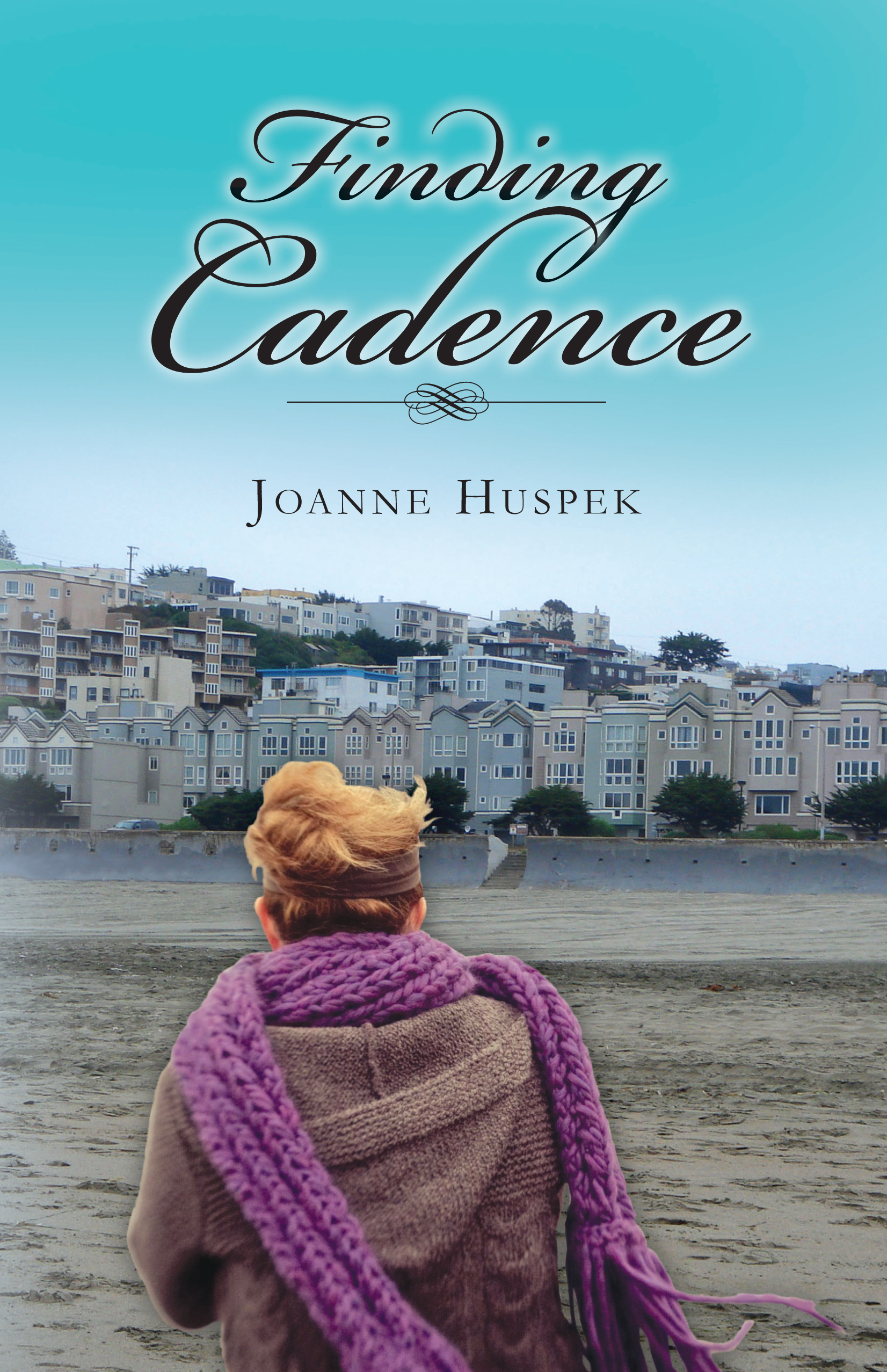
Front Cover.3518981

Why do you read? To be transported into another world, another time, another set of circumstances? To be entertained? To be frightened out of your mind or to feel deep emotion? To learn something new?

Why do you write? To tell a story? To escape from your Real World? To impart knowledge? To entertain?

I think most writers begin with an overwhelming urge to tell a story, whether it be theirs or someone else’s. They start with a ‘what if’ and move on from there. I know that’s how I started. I’d never completed a novel before (my basement is littered with boxes of quarter-written ideas) – my impetus was to get to those magic words “The End.”

It took me a long, long, long time to achieve that goal. Writing is exhausting, especially the first time around. First drafts are usually awful; mine was about as bad as a first draft can get. I made every mistake in spades. Many times over.

But it’s not over with the first “The End.” During the rewriting process, a good writer will pick over the bones of their work. They’ll tease out the good and round-can the bad. Then they will discover themes and plot twists and parallel story lines and a whole host of other interesting things.

Have you noticed that the best novels have stories and characters that stay with you, long after you’ve finished the book? Every novel has what I call a “takeaway,” or what the reader will discover beyond the initial story. Sometimes the takeaway is blatant. Love conquers all (the romantic takeaway).

Example: I finished “In a Perfect World” by Laura Kasischke, and was immediately moved. So moved, I told everyone about this book. So moved, I even lent it to friends (I never lend books to friends, certainly not favorite books). I still think about the characters, and it’s been years since I’ve read the book. Why? The characters successfully moved beyond their initial circumstances and grew into strong women. Every once in a while, I’ll think about them. Did they survive? Did the world?

The takeaway? Even in the midst of crisis, you can dig deep inside and find strength. (Whether or not the strength is enough, remains to be seen.)

Without going into detail and spoiling the fun, I can give you the takeaway to my novels:

Virtually Yours: Things on the Internet are not as they seem. Friendship ebbs and overflows. Love conquers all. 🙂

Finding Cadence: Once you’ve hit bottom, the only way to go is up (of course, that journey might take some side-trips). People are not what/who they seem to be. Friendship overflows and ebbs. A scarred heart can love again. Or at least see that goal in the future.

When writing, I didn’t consciously put these takeaways into my work. I was too busy birthing these babies to notice what the hell I was doing! It was only after rewriting, editing, and discussing my stories with my ED for life and others did I realize that I was trying to relate something more than the story.

A good story contains a depth that will resonate with the reader long after they’ve finished the book. A finely crafted novel is just that – crafted. Toiled over, worked over, picked over and put back together. Unless you’re very lucky or very smart, you can’t do it in a minute.

Currently editing my next novel, I know that producing it will take a lot of thought.

After all, I’m telling more than just a story.

🙂

Posted in books, DIY, editing, Finding Cadence, indie publishing, Joanne Huspek, manners, Monday Blogs, NaNoWriMo, people, querying, reading, rewriting, San Francisco, San Francisco Writers Conference, Self publishing, VIRTUALLY YOURS, womens literature, writers conference, writing | Tagged , , , , , Comment

I try to visit the Bay Area a couple of times a year. Besides loving NorCal, I still have a child living in San Francisco, which makes visiting a requisite. The San Francisco Writers Conference is the mandatory February trip, but just about any other time of the year beats Michigan weather hands down – yes, even the San Francisco summer fog-in.

After last February’s conference, my son and I took a trip to Marin County, to visit Muir Woods (fabulous place! Go there if you can before you die.) and hit up some coastal eating. I enjoy walking on beaches – Ocean Beach being my favorite cityside beach – but every beach is different. Some are wide, expansive, and flat, like Ocean Beach. Others are rocky and treacherous. Most are in between. Cliffs line most of the coast. A straight one thousand foot drop off is not beach blanket bingo material. Northern California beaches are what I would consider ‘rustic’ – you won’t see fish taco stands and amusement piers, and the surfers are in wet suits, not bare-chested.

I’m so old, I now only travel with sensible shoes. Muir Beach is a spot of a beach. The part closest to the parking lot is sandy and relatively flat, and I took off my hiking shoes to enjoy the sand.

My son decided to explore the area just north of the main beach. Of course, he didn’t tell me; he just stalked off. Since he is over six feet tall with lanky legs and I am but a midget, I struggled to keep up with him.

The tide was out, exposing extremely rocky terrain, a complete 180 degree departure from a few yards away. Black boulders sported thousands of edible mussels. Suffice it to say, there were more small, pointy rocks on this beach than there was sand. Maneuvering the area was like walking barefoot on a carpet of hot Legos. Between huge rocks and small rocks, there was nothing of note to grab onto. Call me stubborn (I am) but I decided not to put my shoes back on. (Bad move.)

As luck would have it, because I’m old, not very spry, and because I have no good luck, I lost my balance and fell.

Falling at my age is a risky proposition. Oh, I’m beyond embarrassment. Who cares about a momentary social faux pas? I could break something I really need – like my legs. Or my head.

Before a nice young man (not my son) came to assist me to my feet, I happened to look to my side. I saw something I had never seen before on a California beach.

Sea glass.

You don’t understand. I’d been visiting California for years. I’ve found lots of things on the beach, including shells, sand dollars, garbage, driftwood, a starfish, crab bodies, even a bloated and rotting sea lion. I have never once found a piece of sea glass worth putting into my pocket.

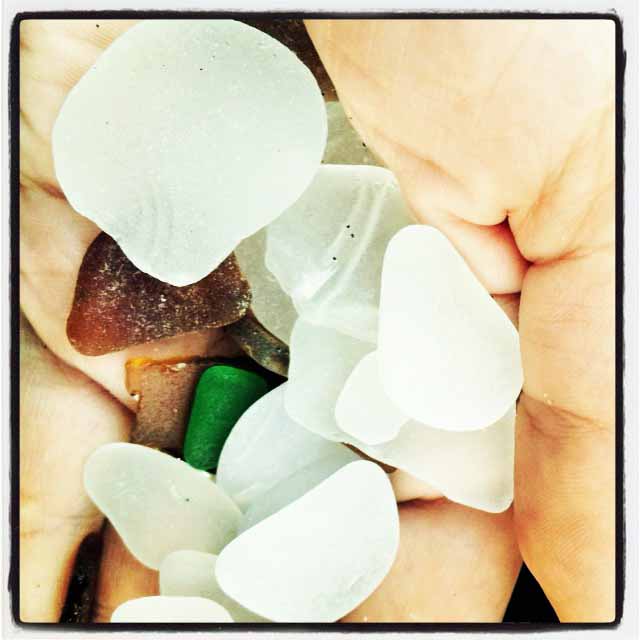
After I had been righted into a supine position, I yelled at my son. We had hit the sea glass lottery. I instructed him to pick up any glass he could that was bigger than a speck.

This is what we came up with.

seaglassoriginal

Since February, I had stashed my sea glass in a used Altoid’s container, waiting for creativity to strike me like lightning. Every so often, I would take the glass out, compare each piece, turn it over in my hand. (I do this with stones, often. Before I set something into a piece of jewelry, I let the stone speak to me.) I would think about where the glass originated, what journey it took to end up a smooth piece of silica on a Northern California beach. Who drank from that bottle? Who tossed the container into the trash? Did it come from Asia, or somewhere closer? And how was I so lucky as to literally fall on it during a challenging yet pleasant walk on the beach with my son?

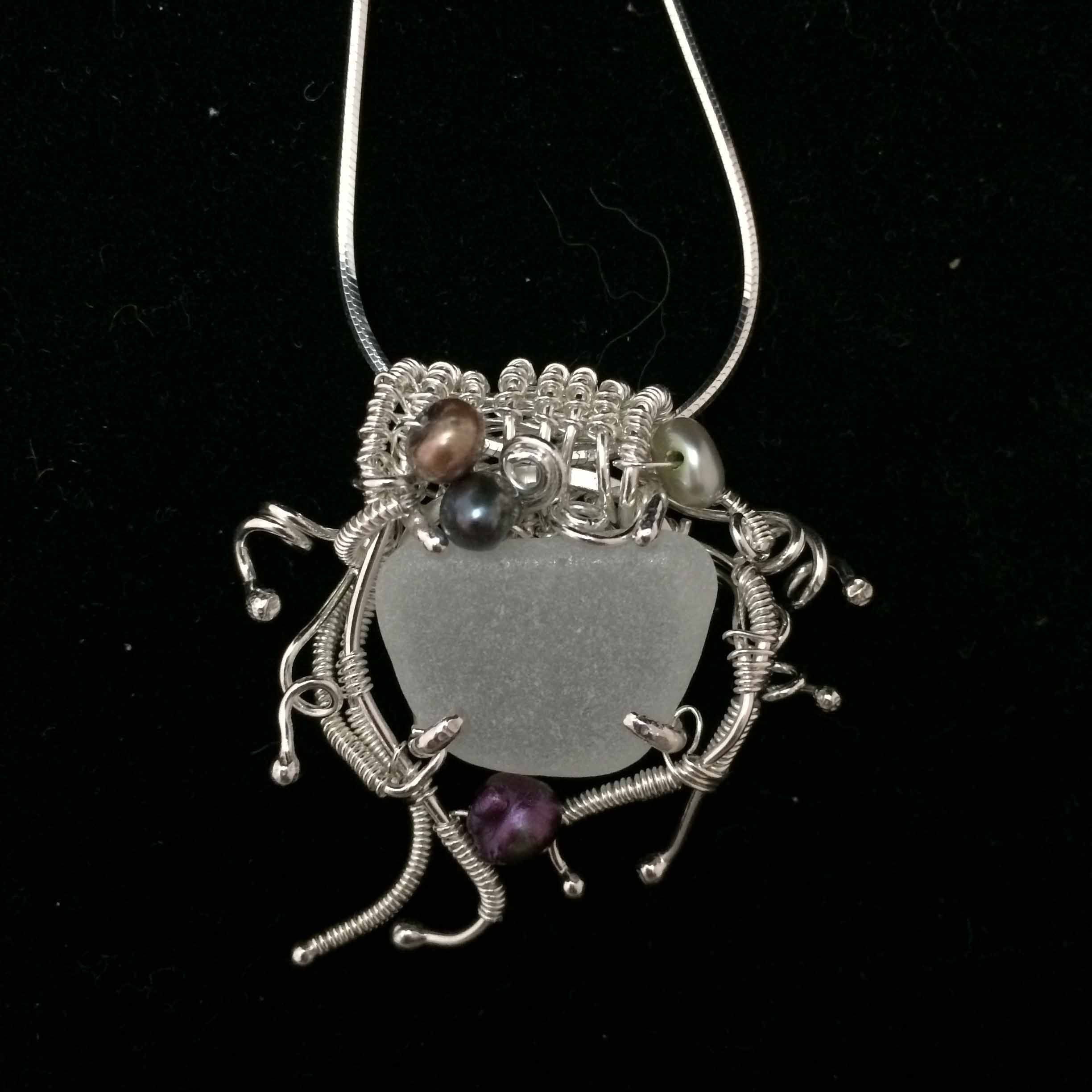
Finally, the glass spoke, and this is what I came up with.

seaglass1

(Currently on my neck and not for sale. Yet.) 🙂

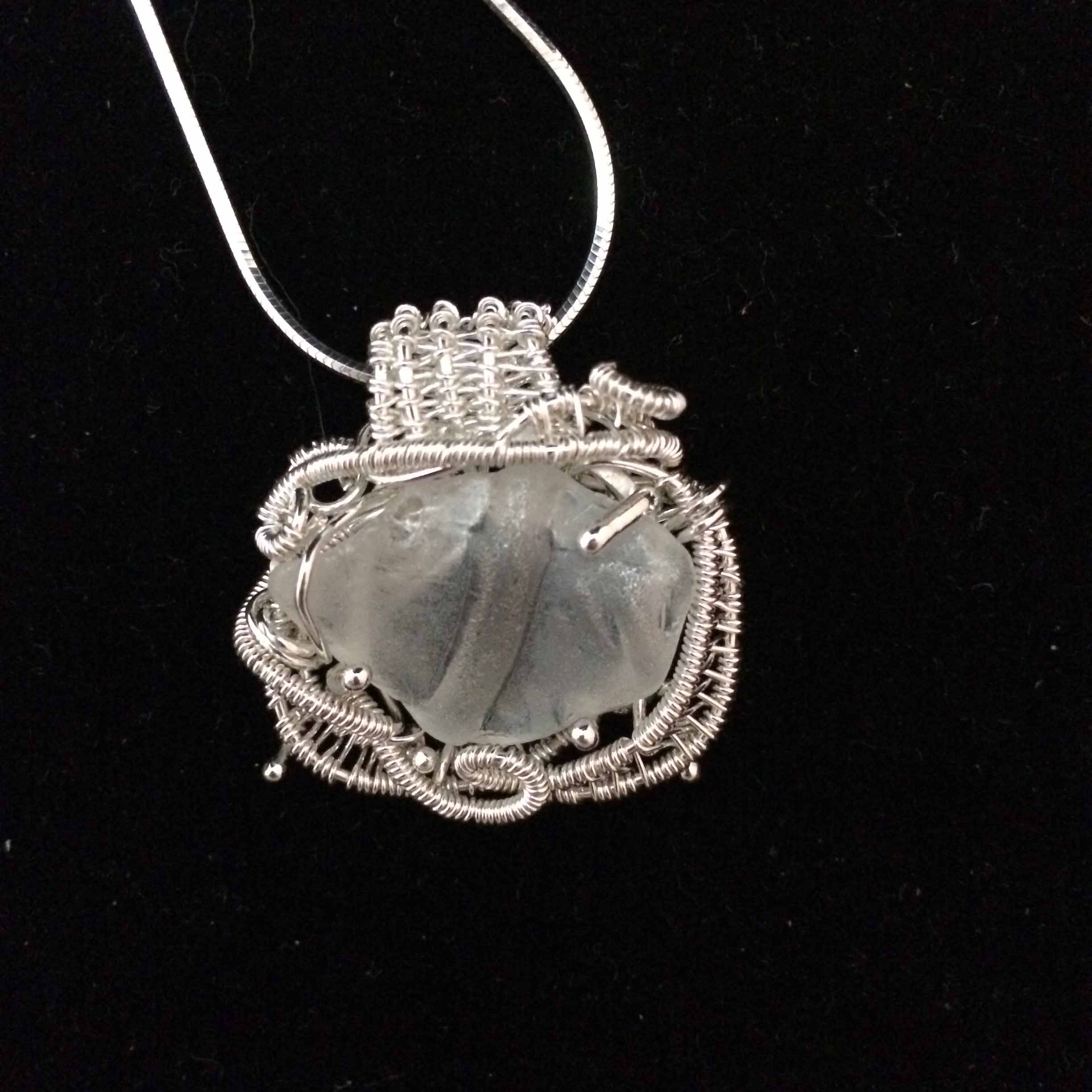
seaglass2

Here’s another one. This one is going in the booth at the Ann Arbor Art Fair this week.

Here is what we need to remember as artists: Sometimes, things are thrown our way – beautiful, ugly, inconsequential, glaring. Sometimes we fall on our ass. Sometimes it takes a while before “garbage” becomes art. Sometimes there is suffering, buffering, tumbling in sand to smooth the rough edges. Sometimes you have to dig deep to find the true story, inciting motives, genuine characters.

The thing to remember is that there is art in every thing.

Even in falling on your ass.

Posted in books, DIY, editing, indie publishing, Joanne Huspek, manners, Monday Blogs, people, reading, San Francisco, San Francisco Writers Conference, Self publishing, Uncategorized, womens literature, writers conference, writing | Tagged , , , , , , , , , , Comment