This post pertains to mostly NaNoWriMo works, but I guess it could apply to any first draft.

My mantra is “I’m writing as fast as I can!” and during November NaNoWriMo attempts where almost all my first drafts originate, that’s exactly what happens: I write as fast as I can possibly write. It’s essential if you want to make 50,000 words in 30 days or less. I will make time for at least 45 minutes, I wish for an hour, but I sometimes only have 20-30 minutes to get 1,667 words down.

When I’m in Speed Mode, I typically do not put in descriptors. I don’t labor over sentences, their structure, pretty prose, or anything else. I don’t put in “tags” (he said, she said). I see my scenes in my head, very much like like watching a movie, and while I’m writing quickly, I want to spew it all out before I forget what I’m doing and where I’m going. I’m terrible at dialogue anyway, and writing dialogue in this manner forces me to complete the task. (Then I read it over, out loud, but that’s another part of editing.)

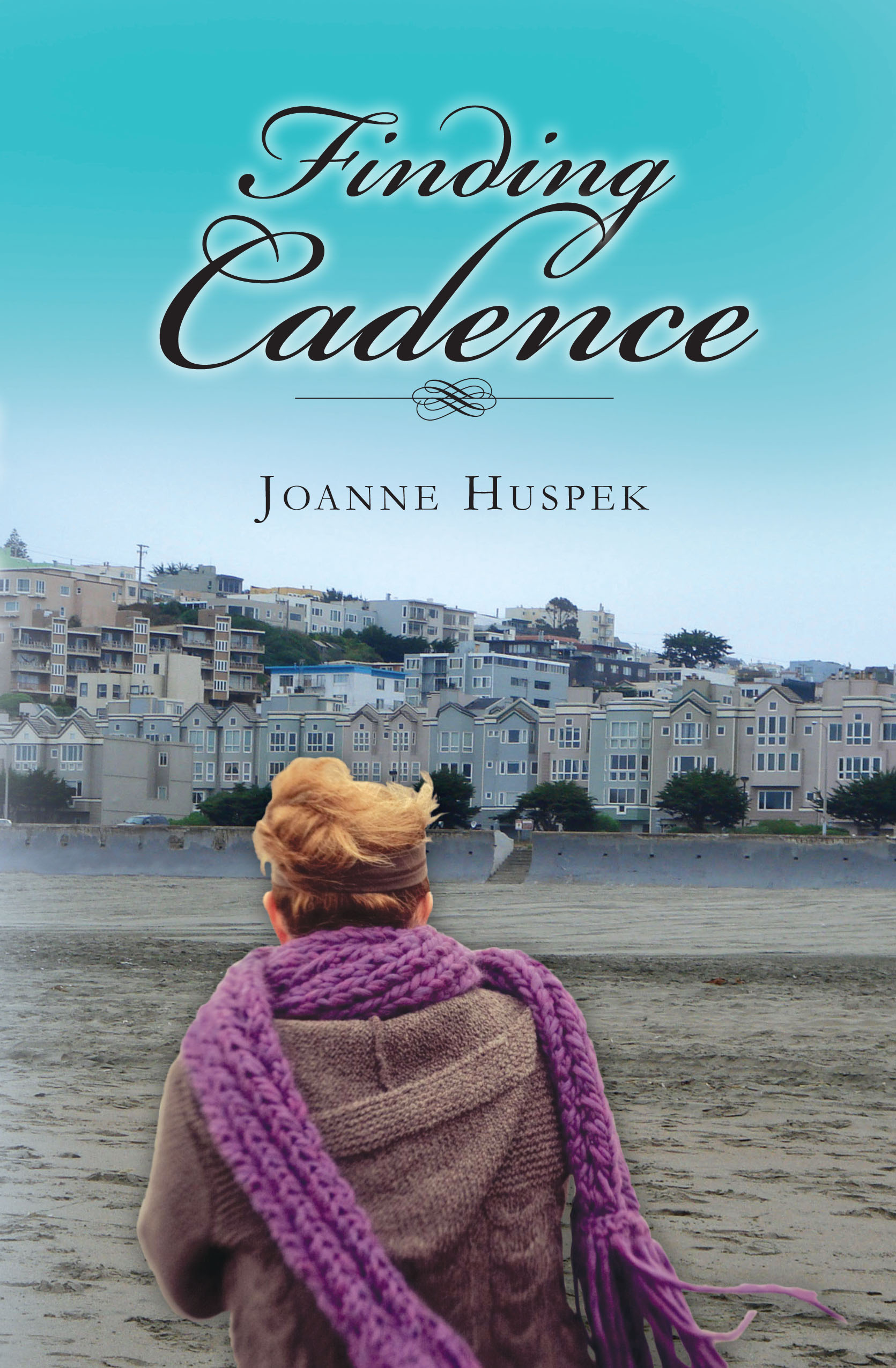
Compare this to my first couple of NaNoWriMo attempts (Finding Cadence, Virtually Yours) where I belabored every move I made. If a person has time, maybe that works. In all my life, I rarely have “spare” time – I have to make it, and when I make it, I must use it wisely. It took two and a half years to finish the rough draft of Finding Cadence (two NaNos and then some). Sometimes I spent days on a paragraph, which is not a bad thing, but get the story down first! I ended up with with 75,000 more words than I needed, mostly because I was flummoxed by my sentences. Believe me, cutting is worse than the alternative!

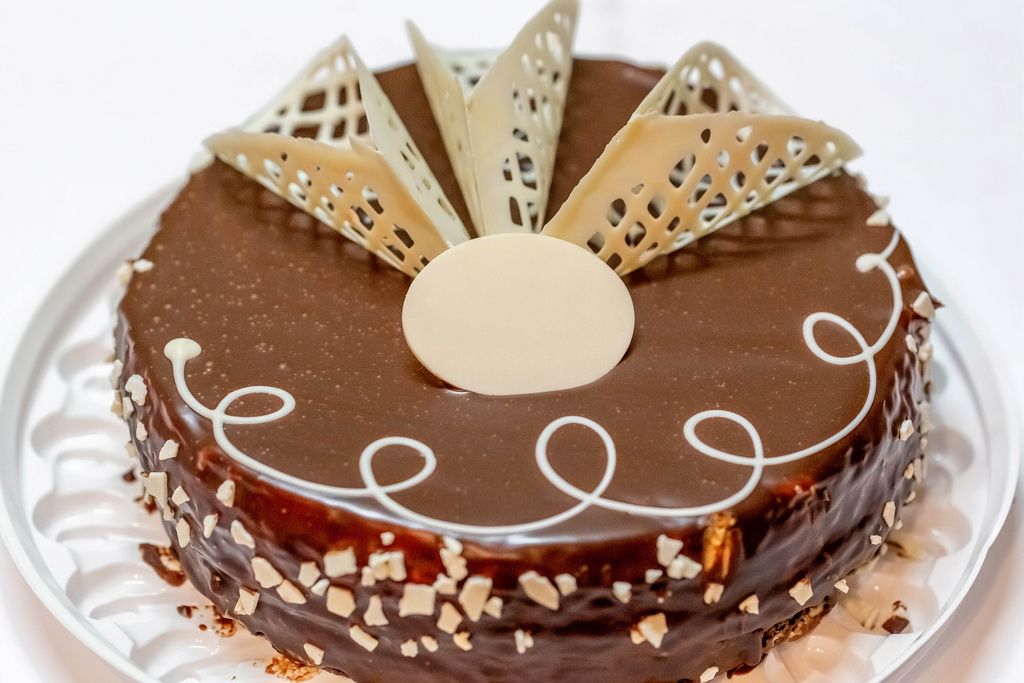
The alternative? Icing the cake.

You have a cake (or a story). The bones of it are there. It’s a good cake. It’s tasty. But that’s all there is, C A K E. It’s dry. It needs something.

I noticed first off in re-reads that my tags were missing. You don’t need them in every sentence with two people speaking to each other, but definitely you need them with three or more, otherwise you’ll get lost. Once the tags are in, I noticed that I was missing the tone and setting of the conversations. Body language, facial expressions, the situation of the room. Yes, you know what’s going on with your story, it’s in your head, but unless you’re very concise, your readers won’t have a clue. (I remember when my editor read my first draft of Virtually Yours, he saw my characters as different people than what I saw. That’s because I didn’t describe them very well.)

After inserting tags, I usually run my manuscript through a word counter, like SmartEdit, using a list of overused words and/or phrases. You can find lists of them online, like this one. I’ve also picked up many lists from the San Francisco Writers Conference workshops. If you don’t have or use SmartEdit, you can use your Find/Replace function on Word. I allow for a certain number of the same word (let’s say “important” – in Cadence it was “family”) but if I see I have several hundred (or thousand! yes, that’s happened!), I will think of an alternate word or phrase that can do the same job but differently.

This part of the editing is where you add the icing. THIS is where you work on sentences and paragraphs, shine them up, add descriptive prose. This is where you work on clarity. Where you add the pretty pink flowers.

Re-read once you’ve finished this part of editing. I’ll also make notes in my notebook, because as we know, I’m severely computer challenged. These written notes will contain the page numbers where I noted the anomaly. (I might change it later, or I might not.) If you can, read at least the dialogue out loud. It won’t be perfect, but when people speak, they rarely do so perfectly.

This draft won’t be ready for print, but it’ll be closer to the finished product.
Posted in books, editing, Joanne Huspek, Monday Blogs, people, reading, rewriting, womens literature, writing | Tagged , , , , , , , Comment

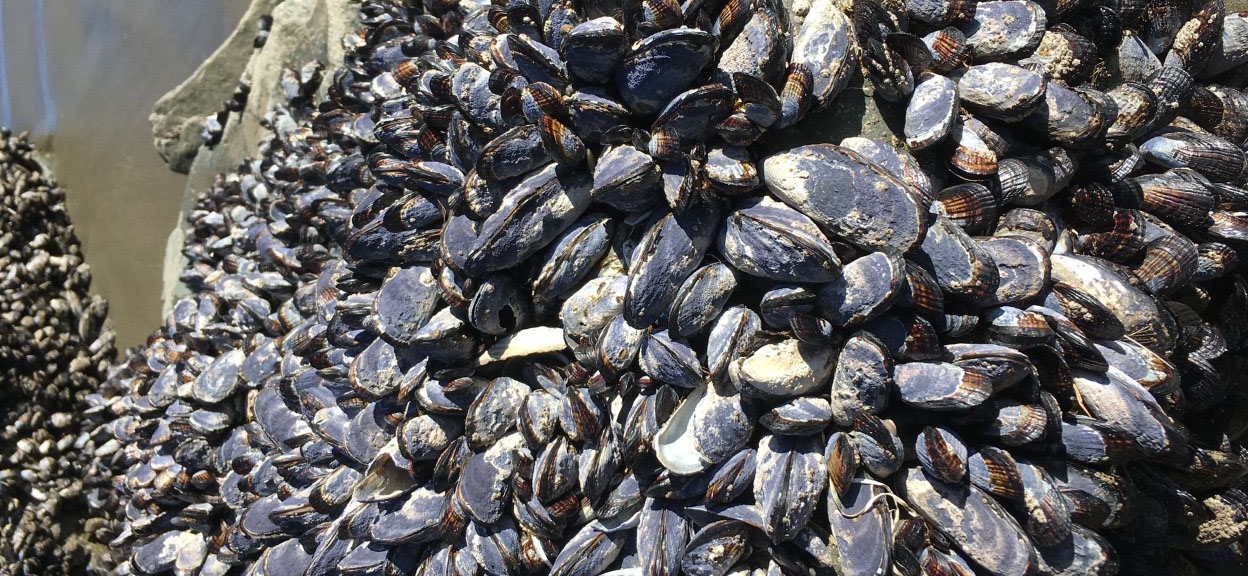
Picture of California mussels from about five years ago. No reason, just liked them.

So much for two blog posts a month. I really had every intention of writing at least two a month, but life gets in the way (doesn’t it always?).

I started working on the first WIP last month. In fact, I took a rather impromptu trip to Florida, driving down with my two chihuahuas. I had the print out in my suitcase; I had pens and pencils, notebooks, and my computer. I actually had TIME too, because the first couple of days in Florida were unseasonably chilly (36 degrees for a low, and I couldn’t figure out how to turn on the heat), and I wasn’t going to do any outside activities until the conditions improved.

I forgot to add in my last post about how I edit is that after I’ve got the first draft down, I usually make an outline, usually in a notebook. (I’ve been known to print out a calendar page, or to draw a map too.) This isn’t so much to keep the story on track, it serves another purpose. Since 99% of my manuscripts were written during NaNoWriMo, and about 70% of those correspond to a specific day in November, this sets up a time line. In the one I chose to work on first, for example, the story takes place over seven days in November, with five siblings. I sometimes use note cards too, although doing so seems rather archaic in the modern times. It works for me.

Somehow, I got through the outline stage, and then the weather improved, so I never got beyond that point. I drove home. A few days later, I was poking around in my computer (deleting the deadwood) and found yet another manuscript! So I printed it out, and got ready for yet another edit. For some reason, I decided to edit this one instead of my original choice. Why? I guess I liked the characters better, and they tie into Finding Cadence (by a long shot, but it’s there), plus another manuscript that is now in the hands of a beta reader.

Does any of this make sense? No. Well, that’s to be expected, as I’m a hot mess.

And now,

The True Components of a Story

I’m very old, and very old school. I was taught that there were certain components of a story that were etched in stone.

One, a story must have a beginning, a middle, and an end. Seems fairly straightforward. Anything else, like ramblings and stream of consciousness, is just that, rambling and stream of consciousness, or poetry.

Two, there must be some sort of conflict. In my day, there were only three types of conflict. Man against Man, Man against Nature, Man against Himself. A Man against Man example would be 1984. The whole world was against Winston. Man against Nature? The Old Man and the Sea. Damn that fish. Man against Himself? Perhaps any novel where the protagonist has self-doubt could qualify. And perhaps any novel can contain all three conflicts. (In Finding Cadence, for example, Cadie has plenty of human enemies or antagonists. She also nearly drowns in the ocean after nearly dying of pneumonia. And she has plenty of self-doubt and is arguing with herself quite a lot.)

Another component I think is so necessary is the Good vs. Evil component. (I realize these days there’s not much for “good” vs. “evil” as some are trying to portray that nothing is evil. The lines are definitely blurred. I disagree strongly. If nothing is evil, there is nothing to overcome.) The protagonist’s struggle must overcome “evil”. Yes, it’s an arc in the story, but without a sense of ethics and morality, the arc isn’t going to work well.

When watching Disney movies with my kids when they were young, my husband was quick to point out the “bad guys” and the “good guys” and always asked my kids who they thought would prevail and why. This is so necessary in story telling. Even the Native Americans had this in their spoken stories, even my Japanese ancestors’ fables had this. So in writing, making the “bad guy” even worse (without going completely off the rails) is a good idea so that your reader will know who to root for. Of course, you don’t want to make him a monster. A little humanness in your antagonist is a good thing, just as a little off-kilter meanness makes for a good protagonist.

These things are the makings of a good story. Everything else is just icing. Gravy. A cherry on top. My next post will be about the specifics of making your story stand out and shine.

I hope I’ll get to it before next month. 🙂

Posted in books, editing, Finding Cadence, Joanne Huspek, Monday Blogs, NaNoWriMo, reading, rewriting, womens literature, writing | Tagged , , , , , , , , , Comment

No, I don’t write many blog posts anymore, and if you read my last two (one from 2022, one from 2021), you’ll know why my blog posts have withered on the vine. This year, I intend to write at least two a month. Why? To get back into the habit of writing (online, I’m still writing mostly in notebooks, by hand). I’ve also resolved to get out my old manuscripts and start working. I’m an old lady. Time is short.

This post is about my editing process.

How I Edit

Upon checking my external hard drive at the end of December 2022, I discovered I have seven manuscripts in various states of disrepair. Since I plan on doing something productive with my writing this year, I’ve decided to finish these novels, or start the editing process.

I’m a person who doesn’t really get technology. Find and replace gets me confused, which adds work, which means time, and time, I don’t have much of. Oh, my God, if it’s more complicated than that, I’m a lost cause. So I’ve decided to tackle the job the old fashioned way. This is how I used to edit, and I’m going back to it.

1. Print out the manuscript. Double spaced, with page numbers and jumbo margins. I print double sided to save paper. Page numbers are important for so many reasons.

2. Punch holes in manuscript, place in notebook. This way you won’t confuse it with the other six novels when a powerful wind (or clumsiness when you trip over a pile of tax documents and things go flying) blows your office to bits.

3. Read manuscript from front to back, DO NOT make notes or edit (yet). You’re only familiarizing yourself with what you wrote (and in my case, forgot) ten years ago.

4. Read the manuscript from back to front (yes, start at the last chapter, work your way to the first chapter). DO NOT make notes, even though by this time you are so dying to make corrections, your fingers are practically bleeding.

5. Start at the beginning. Read each chapter once, then make edits to each page. Have a LOT of sticky notes (big ones) because the double spacing and jumbo margins are not going to do it.

6. Resist the urge to make your corrections in the computer, even though it’s killing you not to. (Insert glass of wine/hit of premium whiskey HERE.)

7. When you have completed your manual edits, THEN start to edit in your computer. You might think of a few things to add as you’re making edits, and that’s just fine.

8. Upon completion of edits, print out the entire manuscript and reread. If you need to make a few more edits, do so now. Hopefully, you can fit those onto your double spaced pages and you won’t have to reprint the entire work. If it’s good enough, give to your friend, the BETA reader and have her look at it. (Your BETA reader will have to learn your way of editing in order to be a help, but really, it’s not that hard.)

9. The MOST IMPORTANT THING. SAVE your corrected work. Delete the original, as you have the printed copy, but only after you’ve completed edits. (I have an old, old computer that I’m not willing to give up just yet. I used to save every version of the manuscript which is silly, plus it takes up space.)

I’m certain that Millennials and Gen XYZs are shaking their heads in disbelief, but I have to have physical, tactile representations of working on my novels. Anything else and I’m totally lost in the weeds. Plus I need to look at my pile of notebooks. It’s like a cattle prod telling me to keep going.

I’m currently on Step 2 with the current work in progress. I like the story, I like the characters, and I’d really like to change things, but….not yet. I’m also currently away from home, in an undisclosed location for a week. It’s been a while since I’ve traveled alone, which I realize is where I do my best writing. This time away should afford me some time to at least get up to Step 6.

Next up, the true components of a story…

Posted in books, editing, Joanne Huspek, Monday Blogs, rewriting, writing | Tagged , , , , , Comment

The jumping off point, yes/no?

I could blame it on any number of things.

Old age? Yes, I’m old and I’m not getting any younger…

Work issues? When you own your work and the business climate is as tempestuous as it has been for the last year or so, it makes taking the “plunge” seem like a viable solution. For a minute.

Family? To include children, spouse, parent, and dogs? The easiest trouble not to consume me, if you can believe that.

Weather? It changes – I’m good with it.

Health? Still healthy as a horse, knock on wood (Formica, granite, porcelain). Was felled by a bad head cold in early January (no, not CoVid), which managed to keep me down a week, but I bounced back. First malaise since 2019, so I was good.

No… I was discussing this with a few close friends. The current climate both online and in the Real World is so contentious, I don’t opine anywhere. If you’re foolish enough to say something outrageous, questioning, or non-woke, you could find yourself de-platformed and spending a stint in social media jail. This means being cut off from your friends and relatives and followers.

You know me, I’m not about throwing Molotov cocktails and running for cover. But I am salty, I am sassy, and I’m highly opinionated. So with that in mind, I’ve been biting my tongue, again and again and again (and again and again and again). I don’t have the clout of podcast giants. I’ve seen what Wild West Twitter has become (why I’m no longer on that platform, my choice). I can’t weather that kind of abuse, nor do I want to. It’s too easy for online nut jobs to find people in Real Life, especially people who (foolishly) use their own real names because they have nothing to hide. (Like me?) And so self-censorship is a definite thing for me.

*sigh*

So while I’m not completely frozen in Real Life, I kinda-sorta am online. I’ve spent part of the last year or so studying the past, delving into humanity’s past missteps which it looks like from recent events are current missteps. I’ve also been looking way, way, way into the future. Every action has an equal and opposite reaction. One of those “rules” you learn in grade school, one that makes more sense than algebra II. History happens in cycles. It’s happening again.

I’ll bet when Suzanne Collins was writing the Hunger Games, she didn’t think civilization would reach the District 13 level of crazy.

These are rough times for artists of all kinds. For the writer, it means you keep writing. Your reach might be truncated, but at this point in my writing career, I’m not looking for worldwide acceptance. I’m looking for self-acceptance.

I’m looking for truth, even if it’s only my own.

I’m looking for beauty, even if I have to shovel through a mountain of shit to get to it.

I’m looking to dance with words, because that’s the best thing ever.

The world is a gorgeous, wondrous thing, and people are amazing, no matter what they think.

I’ll believe this until the day I die.

Posted in books, editing, Joanne Huspek, manners, people, reading, womens literature, writing | Tagged , , , , , , , , 1 Comment

A cautionary tale of (mis)information…

the dark hole of untruths

I haven’t been a fan of the media for almost two decades.

This from a woman who started her college career as a journalism major. It took one quarter to realize I couldn’t do it. Oh, I could write – still can. But to adhere to the tenets of “who, what, where, when, how” – nope, I couldn’t do it. Writing news stories involves objectivity, and you see, I have opinions. Tons of opinions. I can’t lay out “just the facts, ma’am” if I tried. Even if I were paid millions.

Fiction is a better venue for me. Fiction is great. You can weave quite a tale basing your story on facts, but interlacing your own take. Embellishment! I love an artful turn of phrase. I love story lines that teeter on reality, but are exciting enough not to be. Plus if you call it “fiction”, you won’t get called out when you get the story wrong. Fiction as a genre means in all likelihood you won’t get sued too.

I’m not sure how or why I became a skeptic of the media. It might have started with a liberal dose of adverbs and adjectives and inflammatory nouns and verbs in the news articles I was reading. It might have been having finished an article and being left with the hollow feeling of only getting a fraction of the story…not once, not twice, but too many times.

The “news” is just not the news anymore. It’s pointed and biased.

At one point about 15 years ago, I belonged to a social media network, not unlike the current models. So disgusted with the “news” back then, a friend of mine and I started a “Non-News” page to point out the hypocrisy. We weren’t as good as the Babylon Bee, and we had families, so that idea bit the dust out of neglect not long after it began.

I currently don’t seek out “news” of any kind. I haven’t watched TV “news”, either local or national or cable, since the beginning of January. On occasion I’ve been subjected to it in my car but that’s rare. I’m a fairly intelligent, thinking human being. I don’t even need the weatherman, because I can look outside and determine sunshine from clouds. It’s tough. You want to believe those that have descended from the likes of Walter Cronkhite, but no, I can tell when I’m being snowballed by legacy media. I know where to find information, and I like dissenting viewpoints. You won’t get dissenting viewpoints on your TV.

So I’ve enjoyed the last seven or so months of blissful ignorance of the fake media, picking and choosing what I want to consume…

Until…

A couple of weeks ago, I got a text message from one of my cousins. It appeared that her sister was a subject of a “news” story that was published in the “news”paper in Minnesota a month before. (I refuse to link the article for reasons you’ll soon know if you continue reading. If you really want to read it, message me and I’ll tell you where to find it.) My cousin and her sister aren’t on lovey-dovey terms, otherwise we’d all have known about this article in June when it was first published.

Now a little backstory: I know my “news” cousin is a narcissist and it doesn’t surprise me that she was prominently featured in this article. I’ve maybe exchanged a few words with her since I’ve known her. Not my fav.

I would have ho-hummed after reading this tripe, but for a few things. One, she mentioned my father. Mentioned speaking to him. Quoted as much. Said my father was her favorite uncle. (He’s the only remaining uncle.)

“News” cousin has never spoken to my father about this or any other matter. They’ve probably only exchanged a few sentences between each other since 1974. “News” cousin is definitely NOT his favorite niece.

But here’s the kicker: “News” cousin said it was my father’s “dying wish” for her (or someone) to complete this task she was in the paper for.

Except for the fact that my father is old (nearly 90) and has some health issues, he has not now nor has ever been on his deathbed. (Yet.) The article made it seem as though my father was deceased. What a surprise! A total shock to me.

My sister was also misquoted in the article. Actually, quotes were attributed to her which she had never uttered, so perhaps “misquoted” is the wrong term. The fact that my sister’s name was misspelled led me to believe said reporter had never spoken to her at all and manufactured “quotes” to fit her narrative.

My sister was heartbroken, as she felt she had done most of the work in this task. She was about doing a good deed, not about publicity or making her actions about her. My father, upon finding out that at some point he’d been on his deathbed, laughed and laughed. (He might be old but he’s got a wicked sense of humor.) He wouldn’t mind going back to Minnesota at some point, but he won’t be visiting with “news” cousin. (I doubt any of us will.) I cannot convey his true feelings about this relative, just know it’s not positive.

I wrote a rather scathing email to the author of this fluff piece, laying out all the facts. I asked her why she hadn’t spoken to my father, or my sister. I asked her to consider adjusting the article to reflect what the truth of the matter was. I suggested she contact my father if she wanted the true story. I especially wanted her to point out that my father isn’t dead, hadn’t been on his deathbed, and that he hasn’t yet had a “dying wish.”

Nope, she wouldn’t do it. She became combative, actually. She tried to justify her poor reporting by aligning herself with a worthy cause.

Yes, I know. This, my friends, is a small story in a fairly large city’s newspaper. So my “news” cousin is an attention whore? So what? So the “reporter” is a sloppy one? She got paid, didn’t she? It wasn’t a life-or-death story, had nothing to do with national security, right?

I don’t care what they call it anymore, but truth is truth and ethics are ethics. No amount of modernity can change that.

The moral of this story is you can barely believe anything you read (or see, or hear). A true reporter would have gotten her shovel out and dug a little deeper. A true consumer of information has to do that as well. What is offered on the surface is a veneer. Writers, especially of “news”, are masters of exploiting emotion. Throw in some adjectives, adverbs, and descriptive nouns and verbs, and all of a sudden you have a cause. I see data all the time, and I’m thinking (critically) what about the missing link?

It’s time to think about how the sausage is made and what it’s made of before you’ve ingested it.

Posted in Uncategorized | Tagged , , , , , , , , , Comment

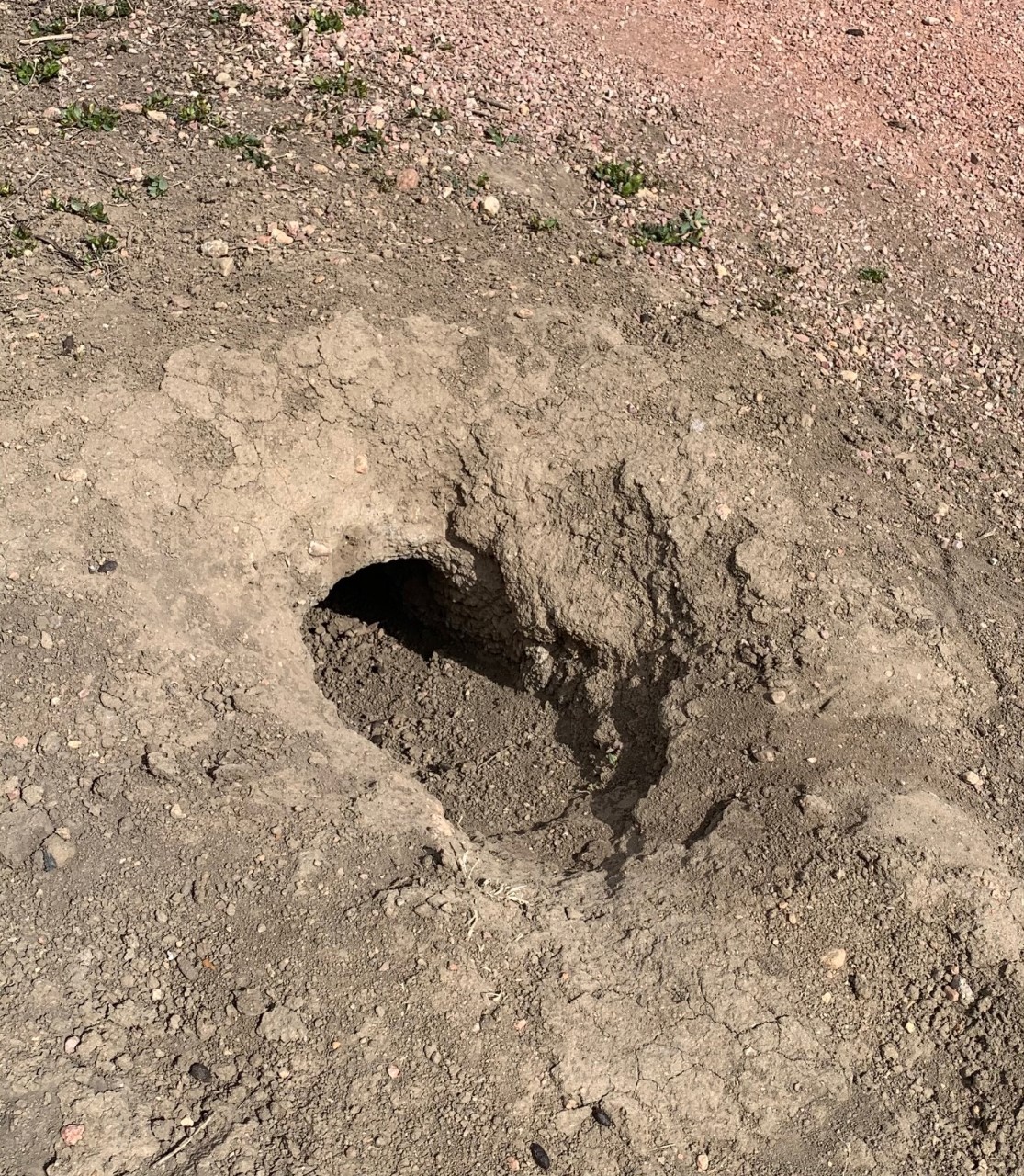
This is a prairie dog hole, in case you’re wondering. Big enough to swallow a chihuahua.

For anyone who cares (and that might be a number limited to the fingers on one hand), no, I haven’t died. I’m not sick, I’ve been in remarkably good physical shape since late 2019. Not a cold, nary a sniffle, no headaches. No cancer or heart condition or broken bones. And no, I haven’t given up writing, or making jewelry, or fashioning baskets out of pine needles.

I’ve been in semi-hibernation, which coincided with a brutal late winter and a spring that had been delayed for whatever meteorological reasons God has decided. It’s just now spring-like, and fer God’s sake it’s almost June! Living in Colorado, you cannot rely upon the calendar to make decisions, like when to plant potatoes and tomatoes and when to put your winter clothes away. It’s snowed in June. The threat of hail is a daily concern. (Last Saturday, I participated in the run up to the Shrine, and mile 2 and 3 it rained and hailed like crazy.) To be fair, the weather is quite changeable from one extreme to the other. We’ve already had 80 degree days in April.

The inn has been crazy busy the last few months, even with a virus to contend with. I think people are looking to escape, and this isn’t far from the metro areas, so you don’t have to fly. (I’m not sure I will ever fly again, so I get it.) However, finding reliable help hasn’t been easy. In fact, it’s been the most daunting of the challenges we face right now. It’s easy enough to replace broken furniture and faded bedding or to repair a structure, but people…that’s another story. (Maybe I’ll write a book!) Finding people to work is the most difficult task these days, so my husband and I are the ones who are doing most of the menial tasks you’d associate with an inn.

The other reason for hibernating was to get in touch with something other than the Internet. Oh, the online world! So vast, like a black hole, so easy to get swept into! I used to find positive influences online, but now it’s mostly vitriol, lies, and hate. We have also given up commercial TV (especially news) since January, instead watching recorded TV shows or movies. We’ve become fond of Turner Classic Movies, not only because it offers vintage movies which are so much more inventive and entertaining than modern fare, but because the only commercials on it are for their own programming. Now when I see commercial TV, it’s not just the programming that turns my stomach, it’s also the inane commercials. (I do allow myself some news, so I’m not completely under a rock.)

I’ve filled my days with walking (or running), and with reading. I have some strong opinions about life in general and the future of writing in particular, and while I haven’t published any of my thoughts (yet) I guarantee that someday you’ll hear from me.

I might have stayed in my hole forever, except I do find an inescapable urge to write. Yesterday, I happened upon some notes I took in my phone from the last San Francisco Writers Conference I attended (2020  and just before the pandemic – seems like a decade ago). No conference this year, but my notes brought me back. Jolted me back, actually. I need to edit my novels, and maybe write something new. These few sentences had a more positive influence on my enthusiasm than anything. Like seeds warmed by spring sun, my head has finally gotten to the point of germination.

I knew it would. This isn’t the longest sabbatical I’ve taken from writing.

Sometimes a writer needs down time, to think, to observe, to relax, to get close to nature, to think about the right and wrong of people and the evenness of the universe. (Psst… It’s what we all need. Take the time.)

See you next time.

Posted in editing, Joanne Huspek, manners, people, reading, womens literature, writing | Tagged , , , Comment

It truly is a wonderful life.

As we round the corner to the end of the year (thankfully, as 2020 has been fraught with all sorts of challenges I’d just as soon shed), I reflect as I usually do on the last twelve months. Only this year I thought back all the way to the beginning. Reflection is easy to do if you spend a lot of time walking or driving. In the last two months, I’ve spent most of my time driving between my home and Cripple Creek. The rest of the time, I’ve been walking. Or hiking. Or running.

On my off time, I spent this holiday season watching Turner Classic Movies. No, not the news, God forbid. TCM not only played the vintage Christmas classics, for a couple of weeks they aired any movie with Christmas featured anywhere during the story line. What a relief it was to see happy endings every couple of hours. Good versus bad, conflict, conflict, resolution. It’s just what the doctor ordered. Although I binge watched Christmas movies, I was unable to view It’s a Wonderful Life this year, but I’ve seen it many times before.

All this good cheer and peace on earth, good will toward men was not lost on me this year. Besides TCM, I overdosed on Sirius XM’s Hallmark Channel. Not before Christmas, but on Christmas Eve and Christmas Day, like most sensible people are known to do. (Don’t do Christmas at Halloween or before; it’s just not right.)

Reflection is good. You look at the past and weigh your choices, good or bad. A local radio host implored people to call in and share their favorite Christmas memory, which caused me to think. While I’ve been blessed, but life hasn’t been easy for me. It isn’t easy for most people. Even if you’re born with money and means, there are always pitfalls. Tears. Sadness. Controversy. Lots of bad times.

I don’t remember much of Christmas growing up, except I didn’t like the time off from school. School saved me from my home life, and two weeks away from it was sheer torture. I liked my teachers, and I loved my books – borrowed, of course. We grew up struggling, probably poor by today’s standard. We received sensible gifts like coats and socks and underwear for presents. I never owned a Barbie, much less did I receive one as a gift. No toys at all after I turned five. We had turkey for dinner, but turkey is cheap and you can feed a lot of children on it. There weren’t any Christmas photos I can turn to or traditions I can pass along to my children or memories of my mother saving favorite ornaments. Too many kids.

Yet, I wouldn’t change one thing or one minute of it. No, no regrets. There’s a lot to be said about weathering hard times – you learn to navigate poverty and need. You find other interests to fill your day. You look for calm in the middle of discord.

Later on, I would have plenty of wonderful memories to turn to. Because of the poverty of my childhood holidays, as an adult I went out of my way to make spectacular memories for my own children. Christmas trees that probably should have fell over on the weight of the lights I strung on them (it would take me two days just to do the lights!). My husband lit up the neighborhood with his lights on the trees outside. Of course, it cost a bit in electric bills come January, but it was worth it. Every year, I’d expend rolls and rolls of film just to get the one perfect shot of my kids that I’d put on the Christmas card or newsletter. (Digital photography is so much cheaper!) Each child would receive one new ornament, which I’d save until they became adults with Christmas trees of their own. We had neighborhood Christmas parties with Santa making an appearance. Christmas Eve dinner would be one great production; Christmas Day dinner another. I would have a legacy to leave them, damn it.

I felt lucky to give them such memories. I felt luckier that I had such memories for myself. But I didn’t have to work so hard at it. I know that now.

My children are grown and starting their own lives. My happy memories are simpler now. Now I find myself happy to see a herd of bighorn sheep at the side of the road. Or I’ll drink in the sunshine on a winter’s day and revel in the blue of the sky above. I’ll have a nice dinner with my husband, which is always a treat even if it’s made at home.

And while I haven’t really led a charmed life, looking back, it’s been about as charmed as anyone could imagine. Every rainy day had the sun shining at the end of it. Things could be worse, way worse, but I would rather concentrate on the positive.

After all, it has been a wonderful life.

Posted in Uncategorized Comment